Scaling a distributed ecosystem like Luxima eventually forces you to confront the cost and limitations of managed serverless platforms. While Vercel and AWS Amplify offer unparalleled developer experience, they come with steep egress fees and execution timeouts for heavy backend tasks.
Enter Coolify
Coolify is an open-source, self-hostable Heroku/Netlify alternative that orchestrates Docker containers on your own VPS (Virtual Private Server). We chose it for three core reasons:
- Unrestricted Backend Execution: Our Studio RSVP PDF generation and heavy N8N workflows were timing out on serverless functions. With Coolify, we own the metal.
- Unified Database Management: Spinning up a PostgreSQL cluster alongside a Redis instance and linking them to our Next.js apps happens in two clicks.
- Cost Predictability: A fixed monthly cost for a Hetzner bare-metal server handles traffic that would cost hundreds of dollars on serverless edge networks.
The Deployment Architecture
Using Coolify, our deployment pipeline looks like this:
- Push to GitHub
mainbranch. - Coolify Nixpacks analyzes the Next.js 16 codebase.
- It detects the
standaloneoutput configuration innext.config.ts. - It builds a highly optimized Docker image and spins up a new container without zero downtime.
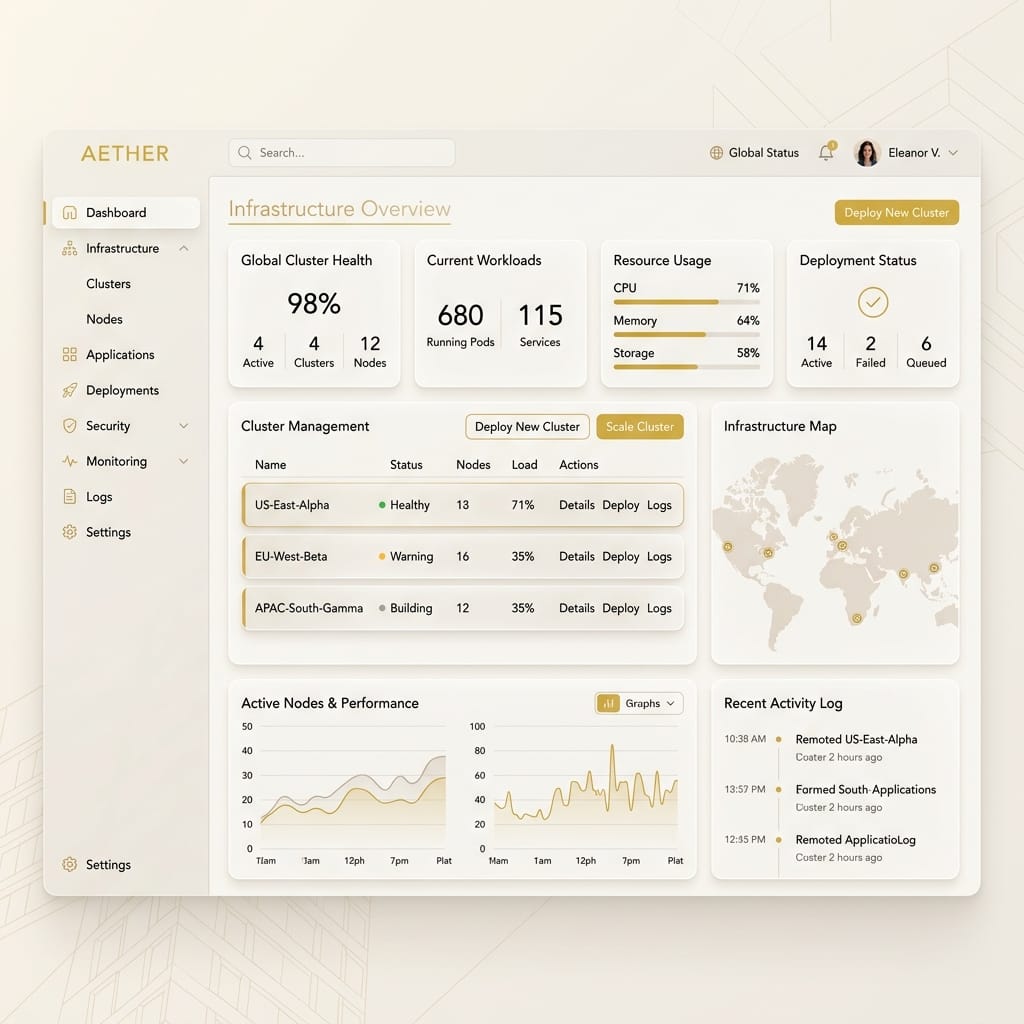
This infrastructure gave us the freedom to build the Architect Dashboard you see in this portfolio, pulling raw container metrics via the Coolify API in real-time.